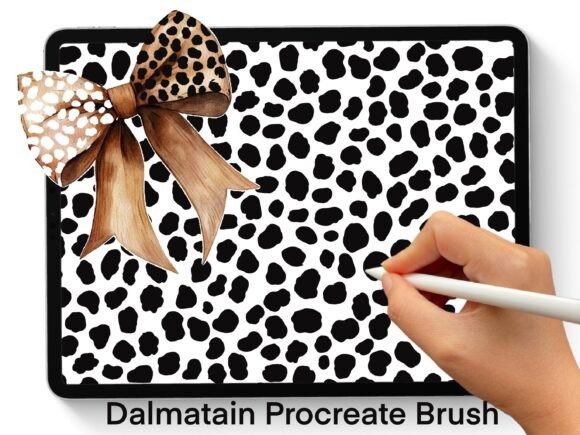
Dalmatian Texture Procreate Brush: Avoid Common Mistakes and Get the Most From Your Digital Art Tool
If you're a digital artist, illustrator, or designer looking to add organic, realistic animal patterns to your work, the Dalmatian Texture Procreate Brush might already be on your radar. This specialized brush for the Procreate app allows you to create natural-looking Dalmatian skin textures seamlessly. Whether you're designing pet portraits, fashion illustrations, or custom tattoo art, this brush can help elevate your visuals with minimal effort. However, like any creative tool, understanding how to use it properly—and avoiding common pitfalls—can make a big difference in your results.
What Makes the Dalmatian Texture Procreate Brush Unique?
The Dalmatian Texture Procreate Brush stands out for its ability to simulate the distinct black-and-white spotted pattern of a Dalmatian's coat. Unlike generic texture brushes, this one is designed to tile seamlessly, meaning you can apply it across large areas without visible repetition. It's ideal for artists who want to add depth and realism without manually drawing each spot. The brush is also pressure-sensitive, allowing for natural variation in opacity and texture depending on how hard you press your stylus.
Common Mistakes When Using the Dalmatian Texture Brush
Even the best tools can fall short if used incorrectly. Here are some of the most common mistakes artists make when using the Dalmatian Texture Procreate Brush and how to avoid them:
1. Assuming It Works the Same on Every Surface
Some users expect the brush to look perfect on any background or color without adjustments. In reality, the contrast between the spots and the base color plays a big role in how realistic the texture appears. For example, using dark spots on a very light background works well, but applying the same brush on a mid-tone surface without adjusting opacity or layer blending can make the pattern look flat or muddy.
Better approach: Experiment with layer modes like Multiply or Overlay to blend the texture more naturally. Adjust the brush's opacity and size depending on the surface and style you're aiming for.
2. Overlooking the Importance of Brush Settings
Many artists skip customizing the brush settings after importing it. While the Dalmatian Texture Brush is designed to work well out of the box, tweaking parameters like graininess, scattering, and texture scale can help you achieve a more personalized look.
Better approach: Open the brush settings and adjust the "Grain" and "Dynamics" sections to fine-tune how the spots scatter and interact with your strokes. This can help you simulate different coat thicknesses or create stylized variations.
3. Not Testing on a Practice Layer First
Jumping straight into your main artwork without testing can lead to unexpected results. Since the texture is seamless, it may look different depending on how you apply it—especially if you're using it for backgrounds or large-scale patterns.
Better approach: Create a separate layer for testing. Try different brush sizes, pressures, and layer effects before applying the texture to your final piece.
4. Ignoring File Compatibility and Version Requirements
Not all Procreate brushes are compatible with every version of the app or iPadOS. Some users download the Dalmatian Texture Brush only to find it doesn't work with their current setup.
Better approach: Before purchasing or downloading, check the brush's compatibility details. Make sure your iPad and Procreate app are updated to the latest versions to avoid issues.
Choosing the Right Dalmatian Texture Brush
There are many texture brushes available online, but not all offer the same quality or usability. When selecting a Dalmatian Texture Procreate Brush, consider the following factors:
- Resolution: High-quality brushes are usually created at higher resolutions, ensuring clarity even when zoomed in.
- Texture variety: Some brushes offer multiple variations for different styles (e.g., coarse, soft, or stylized spots).
- User reviews: Look for feedback from other artists about how well the brush performs in real projects.
- Support and updates: Reputable creators often update their brushes for compatibility and improvements.
How to Use the Dalmatian Texture Brush Effectively
Here's a simple step-by-step guide to integrating the Dalmatian Texture Brush into your workflow:
- Download the brush file after purchase or download.
- Open Procreate on your iPad and tap the Brush Library.
- Select "Import" and load the brush file.
- Choose the brush and start painting on a new or existing layer.
- Adjust the brush size, opacity, and pressure sensitivity to suit your design needs.
For best results, use the brush on a layer above your base color or illustration. This allows you to edit or remove the texture without affecting the rest of your artwork.
Real-World Applications of the Dalmatian Texture Brush
While the brush is named after the Dalmatian dog, its uses extend far beyond pet portraits. Here are a few creative applications:
- Fashion illustration: Use the texture to create unique fabric patterns or accessories with a wild twist.
- Graphic design: Add eye-catching backgrounds or custom patterns for branding or packaging.
- Tattoo design: Simulate realistic animal patterns for animal-themed tattoos or body art concepts.
- Sublimation art: Incorporate the texture into print-on-demand designs for apparel, mugs, or home decor.
Final Thoughts: Get the Most From Your Dalmatian Texture Procreate Brush
The Dalmatian Texture Procreate Brush is a versatile and powerful tool for digital artists looking to add organic, realistic textures to their work. However, understanding its capabilities and avoiding common mistakes can significantly enhance your creative output. Always test the brush before applying it to your final piece, adjust settings to suit your style, and ensure compatibility with your device and software. With a little practice and the right approach, you'll be able to create stunning, textured artwork that stands out.